Pay by Mobile Casinos UK: How Deposits Work
 Available in GB
See how mobile networks, payment providers and casino sites handle deposits charged to a bill or deducted from prepaid credit.
Table of Contents
- How Pay by Mobile Casinos Work in the UK
- Pay by Mobile Casino Payments Explained
- Which Casino Sites Accept Pay by Mobile Deposits?
- Pay by Mobile Slots and SMS Deposits
- Pay by Mobile Casinos and GamStop Status
- What to Expect When Withdrawing from a Pay by Mobile Casino
- Minimum Deposits for New Pay by Mobile Slot Accounts
- Choosing a Pay by Mobile Online Casino on Your Phone
- Can Casino Deposits Be Charged to Your Phone Bill?
- Pay by Mobile Slot Sites Without Boku
How Pay by Mobile Casinos Work in the UK
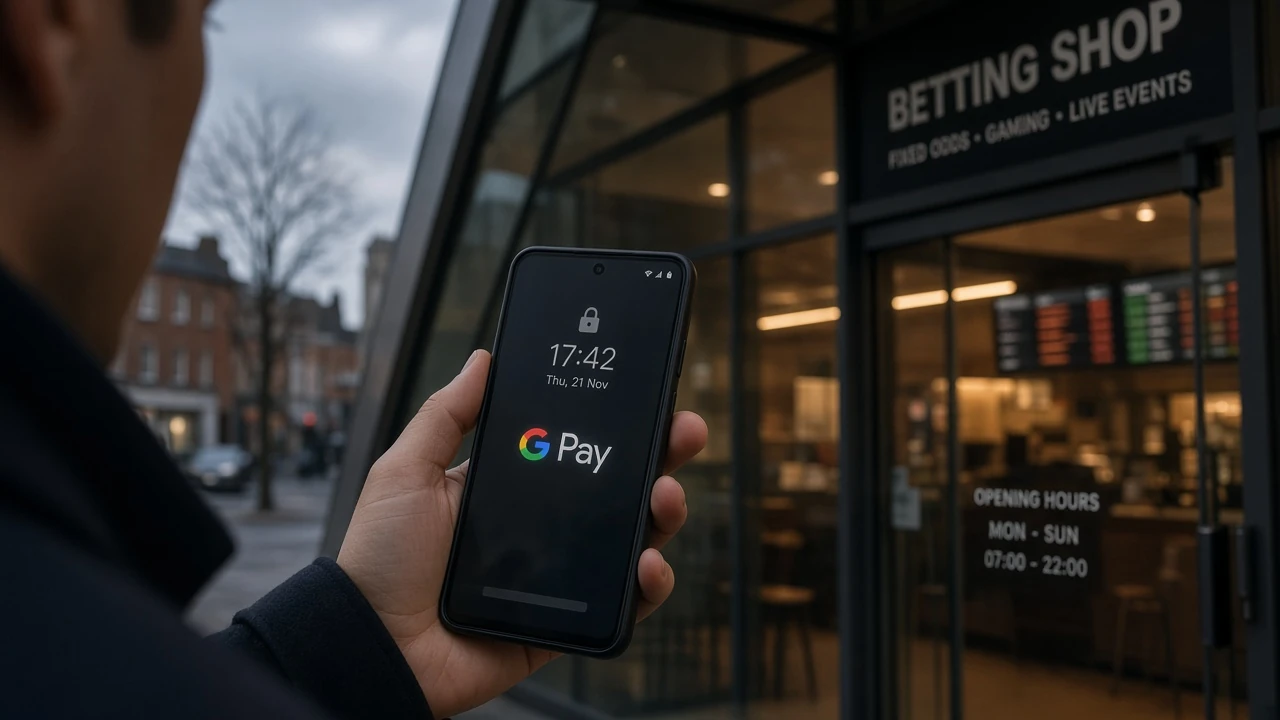
Pay by mobile is a deposit method that lets you fund a UK casino account by charging the amount to your mobile phone bill, or deducting it from your pay-as-you-go credit, instead of paying from a bank account or card. At sites that offer it, you enter your mobile number at the cashier, confirm the deposit through a text message or an on-screen prompt, and the money appears in your casino balance. The casino never sees your card details, because the payment runs through a mobile-payment provider rather than your bank.
It is a genuinely different payment route, and the differences matter more than the marketing around them suggests.
What actually happens when you deposit
A pay by mobile deposit does not move money from your bank to the casino in the way a card payment does. Instead, the payment provider — Boku is the best-known example in the UK — confirms the charge with your mobile network, and the network adds it to your monthly phone bill or takes it from your prepaid balance. The casino receives its money from the payment provider, and you settle up with your network later, as part of a bill you’d be paying anyway.
This page highlights key facts to consider when choosing a pay by mobile casino in the UK in 2026. Use the overview to assess licensing, welcome offers, payout times and minimum deposits.
License: UKGC Operator Licence · Bonus: £200 welcome bonus · Payout speed: Within 48 hours · Min. deposit: £10 32Red holds a UKGC Operator Licence and offers a £200 welcome bonus. Its stated payout time is within 48 hours, with a £10 minimum deposit.
License: UKGC Operator Licence · Bonus: £100 bonus · Payout speed: Within 24 hours · Min. deposit: £10 ProgressPlay Limited is licensed by the UKGC and offers a £100 bonus. Payouts are stated as being within 24 hours, and the minimum deposit is £10.
License: UKGC Operator Licence · Bonus: £20 bonus · Payout speed: Within 48 hours · Min. deposit: £10 Silverbond Enterprises operates under a UKGC Operator Licence and offers a £20 bonus. It lists payouts within 48 hours and a £10 minimum deposit.
License: UKGC Operator Licence · Bonus: £100 bonus · Payout speed: Within 24 hours · Min. deposit: £10 Genesis Global Limited holds a UKGC Operator Licence and offers a £100 bonus. Its stated payout speed is within 24 hours, with a £10 minimum deposit.
License: UKGC Operator Licence · Bonus: £100 bonus · Payout speed: Within 24 hours · Min. deposit: £10 LeoVegas is licensed by the UKGC and offers a £100 bonus. Payouts are stated as being within 24 hours, and the minimum deposit is £10.
License: UKGC Operator Licence · Bonus: £50 bonus · Payout speed: Within 48 hours · Min. deposit: £10 Platinum Gaming Limited holds a UKGC Operator Licence and offers a £50 bonus. Its stated payout time is within 48 hours, with a £10 minimum deposit.
That structure produces the method’s main strengths:
- No card or bank details shared with the casino. You type a phone number, not a 16-digit card number.
- Speed. The confirmation is a text reply or a tap, and the deposit lands in your account immediately.
- Simplicity. There is no separate account to create, no app to install for the payment itself, and no password beyond your phone’s own security.
It also produces the method’s hard limits, which we’ll come to.
How it differs from the other ways to pay
To see what pay by mobile actually is, it helps to place it against the options it sits alongside.
Debit cards remain the default and most common deposit route in the UK. They offer instant deposits, broad acceptance at virtually every licensed site, and — unlike pay by mobile — a working route for withdrawals, returned via Faster Payments. What they give up is separation: your card details sit on file with the operator, and the money leaves your account the moment you deposit.
E-wallets such as PayPal, Skrill and Neteller act as a middle layer. You fund the wallet from your bank, then pay the casino from the wallet, which keeps your bank details one step removed from the operator. They are popular for cashouts because they typically settle faster than card refunds once a withdrawal is approved. A pay by mobile deposit is more anonymous still — the casino doesn’t even get an account that could receive money back.
Open banking services transfer money directly between your bank and the casino, with no card details involved. The flow is bank-to-casino, authorised through your banking app.
Bank transfer is the slowest route, but straightforward for larger sums. Pay by mobile sits at the opposite end: fast, small, and capped by design.
Prepaid vouchers such as Paysafecard share one important trait with pay by mobile: both are deposit-only. That word — deposit-only — is the single most important thing to understand about the method.
The deposit-only catch
Pay by mobile does not support withdrawals. Boku and similar services, along with Paysafecard, exist to move money one way: into your casino account. When you win and request a payout, it will be paid to a different method — typically a debit card, an e-wallet, or a bank transfer, depending on what the site offers and what you’ve registered.
This is not a quirk of individual casinos. It follows from how the payment works: there is no account of yours for the casino to send money back to, only a phone number linked to your network’s billing. A network bill can collect charges; it can’t receive a refund.
The practical consequence is that anyone depositing by mobile still needs a verified second method for withdrawals, which means card or bank details usually enter the picture at payout stage anyway. The method delays the paperwork, not the need for it.
Why the limits are the point
The restrictions around pay by mobile — small deposits, no withdrawals — are not bugs to work around but features of how it works. Charging deposits to a phone bill caps what you can spend per transaction and per day, because networks limit what can be billed that way. For players who want a built-in ceiling on session spending, that ceiling is the appeal.
Important Pay by mobile is a deposit-only method. You cannot use it to withdraw your winnings; you must have a separate method like a debit card or e-wallet registered for payouts.
The same limits explain why the method suits casual, small-stakes play rather than high-value deposits. If you want to move larger sums, debit cards — with maximum deposits often reaching £10,000 or more per transaction — are built for it. Pay by mobile is not, and no casino that offers it will pretend otherwise.
What to expect as a UK player
A few things frame the method in the UK specifically:
- You must be 18 or over to gamble legally, and UKGC-licensed casinos are required to verify your age and identity — before you can deposit at all, not just at withdrawal.
- Credit card gambling is prohibited in the UK since April 2020, which is one reason alternatives like pay by mobile, e-wallets and open banking have grown.
- Player fees are uncommon at reputable UK sites, so the deposit itself shouldn’t cost extra — though your mobile network’s own terms apply to what gets billed.
Who the method suits
Pay by mobile makes most sense for one profile: a player who deposits small amounts, values not sharing card details, and is happy to set up a conventional withdrawal method for the rare occasion there’s something to withdraw.
It makes less sense for anyone who deposits large amounts, expects to withdraw regularly, or wants a single payment method covering both directions of the money. For those players, a debit card or an e-wallet does everything pay by mobile does, plus the half it can’t.
The honest summary of the method is short: pay by mobile buys you speed, privacy at the cashier, and a natural spending cap, in exchange for being a one-way street. Whether that trade works depends entirely on which side of it you stand — and, more often than players admit, on which side they assume they’ll be standing when the money starts moving the other way.
Pay by Mobile Casino Payments Explained
Pay by mobile is one of several deposit methods available at UK online casinos, and understanding where it fits in the wider payments landscape helps you decide whether it suits your habits. The method works by charging a deposit to your mobile phone account — either deducted from pay-as-you-go credit or added to a monthly bill — rather than pulling funds from a bank account or card. This section looks at the mechanics of that payment and how it compares with the other options you will see at a UK casino cashier.

Where Pay by Mobile Sits Among UK Deposit Methods
When you open the cashier page at a UKGC-licensed casino, you will typically find a mix of deposit options: debit cards, e-wallets such as PayPal, Skrill and Neteller, open-banking services, and sometimes pay by mobile. Debit cards remain the default and most common deposit route in the UK, offering instant deposits and broad acceptance — they are still the most widely accepted payment option at UK gambling sites. Pay by mobile is a smaller, more niche alternative, valued for convenience rather than universal availability.
The method’s role is deliberately narrow. It exists to get small amounts into your casino account quickly, using nothing but the phone in your hand. That narrowness is not a flaw so much as a design choice: the payment rails behind phone billing were built for micro-transactions, not for moving large balances.
What Happens When You Deposit by Mobile
The mechanics are simple. You select the pay by mobile option in the cashier, enter your mobile number, and confirm the amount. A message is sent to your phone, and once you verify the request, the deposit is credited to your casino account. The money is then collected through your phone account — either taken from prepaid credit immediately or added to your next monthly bill.
Two features define the experience:
- No bank or card details are shared. You do not enter a card number, expiry date or banking credential. The only identifier involved is your phone number.
- Authentication is built into the phone itself. Confirmation happens on your device, which means someone else cannot deposit from your number without access to that phone.
That combination — minimal data entry and device-level confirmation — is the main reason players choose the method, particularly for topping up an account during a session when reaching for a physical card would interrupt play.
How It Compares With the Alternatives
Each deposit route at a UK casino trades convenience against capability, and pay by mobile sits at the convenience end of that spectrum.
Debit cards are the benchmark. Deposits are processed instantly and accepted almost everywhere, and the same card later serves as a withdrawal route. Credit cards, by contrast, cannot be used at all: UK casino payments cannot be funded by credit card since April 2020, a ban that applies across the market rather than being a policy of individual operators.
E-wallets such as PayPal, Skrill and Neteller keep your bank details separate from the casino. Deposits are instant, and these services are popular for cashouts because they typically settle faster than card refunds once a withdrawal is approved.
Most common route with instant deposits and a working route for withdrawals.
Acts as a middle layer like PayPal, keeping bank details separate from the casino.
Direct bank-to-casino transfers authorised through your banking app.
Open-banking services transfer money directly between your bank and the casino without card details. Payments can complete instantly and appear in the gambling account as quickly as a card deposit.
Bank transfer is the slowest route but is straightforward for larger sums.
Against that backdrop, pay by mobile’s strengths and weaknesses are clear. It is fast and does not require you to expose financial details to the casino. It is also deposit-only: the payment rails that carry money from your phone account to the operator do not carry it back, so any winnings must be withdrawn to a different method. E-wallets and cards handle both directions; pay by mobile handles one.
The Practical Trade-Offs
Three characteristics shape whether the method makes sense for you:
- Deposit size. Phone-billed deposits are designed for small amounts. If you want to move substantial funds, a debit card or bank transfer is the appropriate tool, not a phone bill.
- Withdrawal planning. Because the method is one-directional, you will need a second payment method on file for cashing out. E-wallets are a common pairing, since they also settle faster than card refunds after approval.
- Account reconciliation. If you pay a monthly phone bill, deposits appear on it as line items. This makes it easy to see what you have spent, but it also means the cost arrives with the bill rather than leaving your bank immediately — worth remembering if you keep a close eye on your budget.
Fees are another consideration, and here the news is mostly good: player fees are uncommon at reputable UK sites. Where charges do appear, they tend to come from the payment intermediary rather than the casino, and they are worth checking before you confirm a deposit.
Who the Method Suits
Pay by mobile appeals to a specific kind of player: someone who wants to fund a session with a small, controlled amount, values not sharing card details with gambling sites, and is comfortable arranging withdrawals through a separate method. It suits pay-as-you-go users who can only deposit what their phone credit allows, and it suits monthly-bill users who like the discipline of seeing deposits itemised on a statement.
It does not suit players who move large amounts, who want a single method for deposits and withdrawals, or who expect the casino to pay winnings back the way they came in. For those use cases, the card and e-wallet routes remain the better answer.
The method’s place in the UK market is therefore best understood as a supplement rather than a replacement. Debit cards remain the default deposit route, and pay by mobile sits alongside them as a fast, low-friction option for smaller top-ups — with the understanding that cashing out will always happen elsewhere.
Which Casino Sites Accept Pay by Mobile Deposits?
Not every UK casino site treats pay by mobile the same way. Some list it alongside debit cards and e-wallets in the cashier; others skip it entirely, leaving players who prefer phone-billed deposits with a smaller shortlist. Working out which sites actually accept the method — and which are worth depositing at once they do — comes down to a few concrete checks rather than guesswork.
- Verify your identity via UKGC requirements early.
- Ensure the mobile number matches your account details.
- Check the cashier for specific provider names like Boku.
- Assume you can withdraw winnings back to your phone bill.
- Rely on phone billing for large, high-value deposits.
- Use a mobile number that is not registered in your own name.
Where to Look First
The cashier or banking page is the only authoritative source. Payment logos on a homepage or in a promotional banner are marketing copy; the deposit section of your account is the operational truth. If you already have an account, open the deposit screen and look at the listed methods. If you are still comparing sites, most operators publish their accepted payment methods on a dedicated page — check the date it was last updated, because casinos add and drop methods over time.
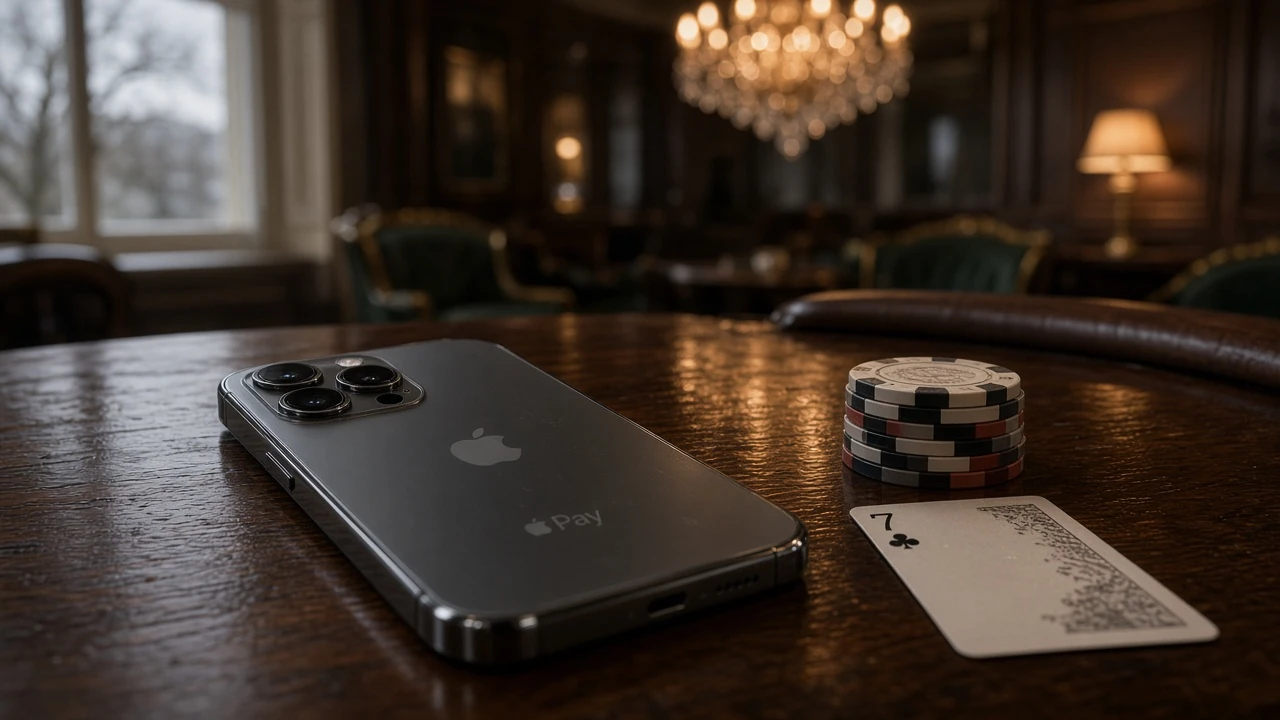
Look for the phrase "pay by mobile" specifically. Some sites bundle phone-billed deposits under a named service such as Boku, which allows small deposits charged to your phone bill. If the name appears in the deposit options, the method is available; if you only see debit cards, PayPal and bank transfer, phone billing is not on offer at that site, no matter what a review elsewhere may claim.

What to Check Before You Pay
Acceptance is only the first hurdle. Before making a deposit, run through the following:
- Licence. Any site offering online gambling to consumers in Great Britain must hold a UKGC licence, regardless of where it is based. You can verify this by checking the operator name or licence number against the UK Gambling Commission’s public register and confirming the listed domain matches the site you are on. This takes a couple of minutes and rules out the most serious problem: an unlicensed operator with no obligation to pay you.
- Account eligibility. Pay by mobile deposits are tied to the mobile number on your account. The site will expect the phone used for the deposit to be registered in your name, and the charge will be added to your phone bill or deducted from your pay-as-you-go balance. If your contract is in someone else’s name, the deposit may not go through.
- Verification status. Identity checks are a standard part of UK gambling, and operators cannot wait until you request a withdrawal to ask for documents — they are expected to verify you earlier. Most verifications complete within 24 to 48 hours. Completing this before your first deposit removes a common source of friction later.
- Fees. Player fees are uncommon at reputable UK sites, but “uncommon” is not “never”. Check the payment terms for any charge on phone-billed deposits specifically; if a fee exists, it should be stated plainly rather than discovered on your bill.
Why the Shorter List Is Not a Bad Sign
The set of casino sites accepting pay by mobile deposits is narrower than the set accepting debit cards, and there is a structural reason for that. Phone billing is a deposit-only method — it rarely supports withdrawals, because there is no sensible way to pay winnings onto a phone bill. Operators that offer it must also offer at least one withdrawal route, which means running the method as an extra rather than a replacement for cards or e-wallets. Some sites decide the added complexity is not worth it.
That narrower list does have one practical advantage: the sites that do offer pay by mobile tend to have thought through the full deposit-and-withdrawal journey rather than bolting the method on as an afterthought. A site that handles phone-billed deposits cleanly usually states clearly which method your withdrawal will be paid to instead, and at what point identification checks apply.
A Sensible Order of Operations
If you are evaluating a site from scratch, the sequence that wastes the least time is: confirm the licence on the UKGC register, open the cashier page to confirm pay by mobile is listed, complete verification, and only then fund the account. Depositing first and checking later inverts the order of risk. The deposit is the easy part of the relationship; the parts worth verifying — who you are dealing with, how they pay out, whether your account is set up correctly — are all settled before any money moves.
Verification and Readiness
- Confirm the site holds a valid UKGC licence.
- Verify that ‘pay by mobile’ is listed in the actual cashier.
- Complete your identity verification (KYC) before depositing.
- Set up a secondary withdrawal method like a debit card or e-wallet.
One last habit worth keeping: re-check the cashier page after any break in play. Payment methods change, and a site that accepted phone-billed deposits when you last visited may have dropped them — or, just as often, added them. The deposit screen is the version of the truth that counts, and it is always one login away.
Pay by Mobile Slots and SMS Deposits
Slots are the most common reason people look at phone-based deposits in the first place. A spin costs a few pence at minimum stakes, the games are built for small screens, and the appeal of funding a session from a phone bill or prepaid balance is obvious when you’re already playing on the same device. This is what the search interest in "mobile slots pay by SMS" reflects: people want to know whether they can top up a slots account using their phone, and what happens when they do.
What an SMS deposit actually is
Despite the name, an SMS deposit doesn’t involve sending a text message yourself or typing anything into your phone’s messaging app. The "SMS" part describes the confirmation step. You enter your mobile number at the casino’s cashier, receive a text with a code, and confirm the deposit with that code. The money is then charged to your monthly phone bill or deducted from your pay-as-you-go balance, depending on your arrangement with your carrier.
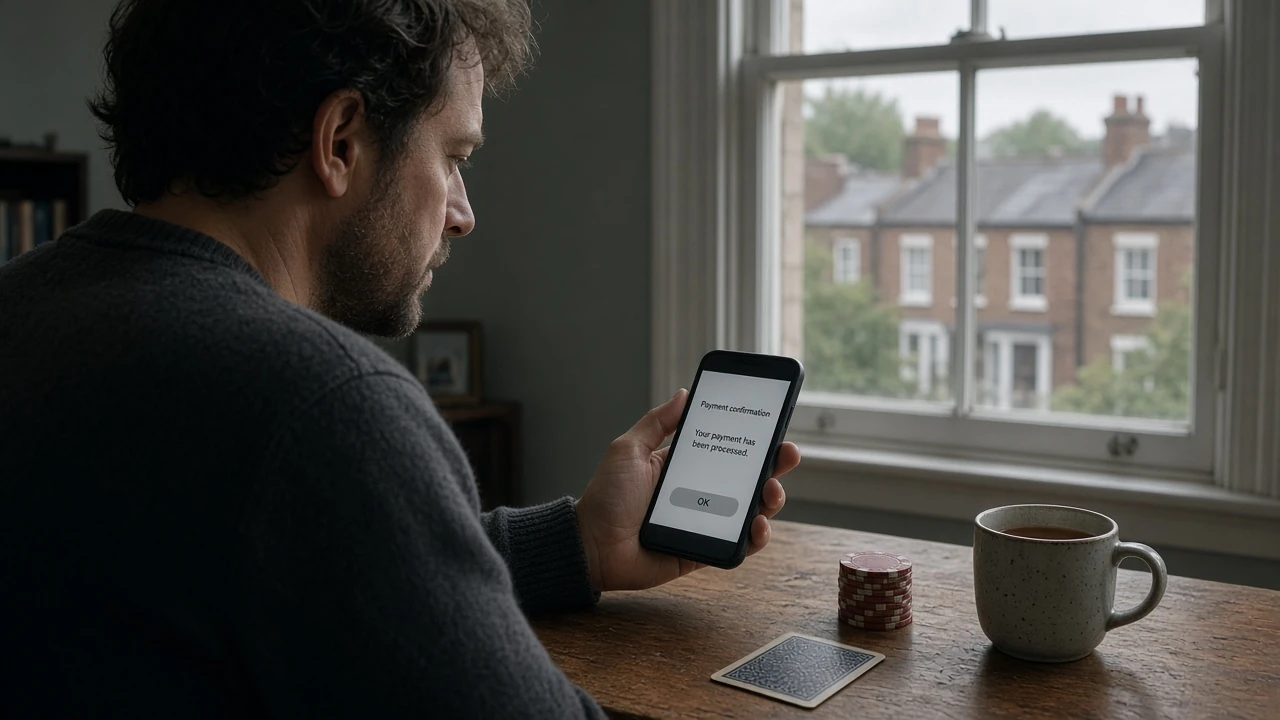
Boku is the service most often behind this flow at UK casinos. It processes the transaction between the casino and your mobile network, and the charge appears on your bill as a payment to that service rather than to the casino by name. If you’re on a contract, the amount is added to your next bill. If you’re on pay-as-you-go, you need enough credit on the phone before the deposit can go through.
Why it suits slots, and where it stops
The fit with slots comes down to scale. Pay by mobile options such as Boku are built for small deposits charged to a phone bill, which lines up with how most people play slots: modest amounts, topped up as needed, rather than one large transfer at the start of a session. Compared with typing in a debit card number on a small screen, confirming a code from a text is quick, and no card details change hands at all.
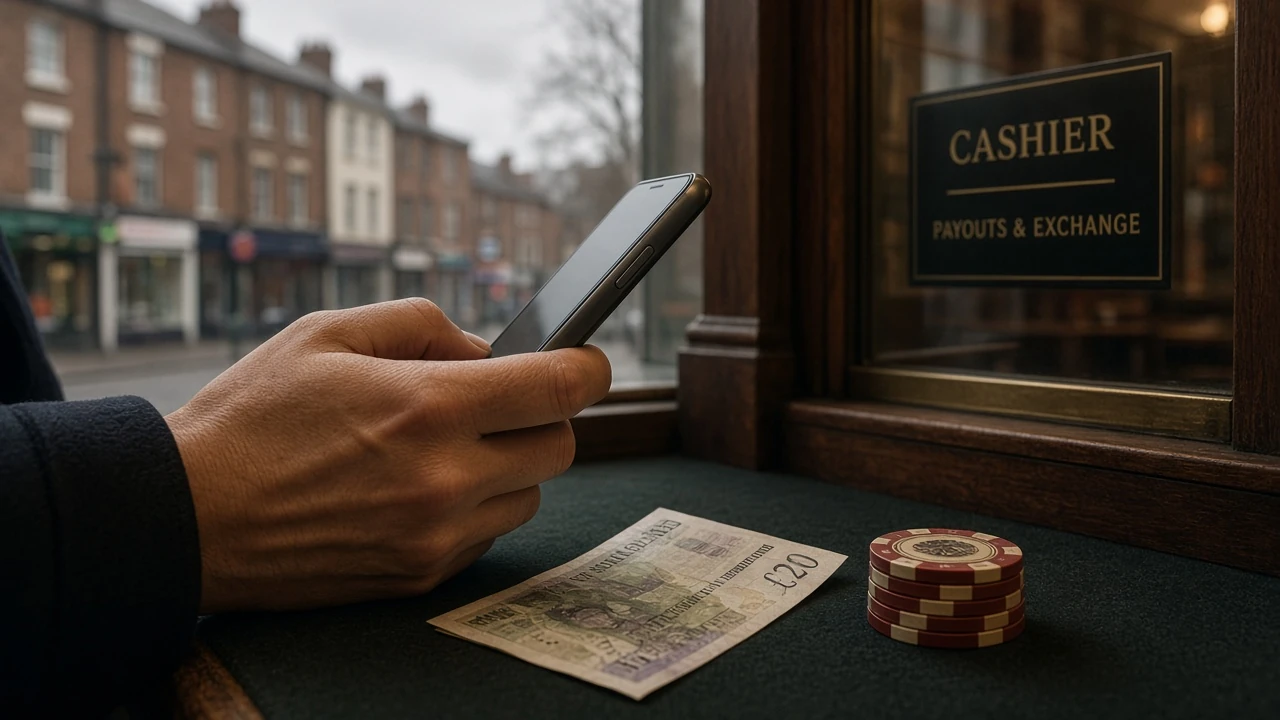
The limitation is just as important to understand. Pay by mobile is a deposit-only method. When you win, the casino cannot send money back to your phone bill or your carrier balance, so withdrawals are paid to another method — typically a debit card, PayPal, Skrill or Neteller, whichever you’ve registered and verified on your account. This isn’t a quirk of individual casinos; it’s how the method works everywhere. Plan for it before you deposit: if you intend to withdraw, you’ll need another payment method set up, and you should expect identity verification before a first withdrawal is processed.
One practical consequence follows from the deposit-only structure. Because payouts go to a second method, keeping records of both — the phone-billed deposits and the card or e-wallet withdrawals — makes it easier to reconcile your own spending if you ever need to.
Slots selection isn’t determined by the payment method
A point worth making plainly: depositing by mobile does not change which slots you can play. The payment method funds your account balance; the games are the same slots available to every other player at the site. There is no separate category of "SMS slots" or a special library unlocked by paying from your phone bill. If a site offers a large slots catalogue, you get that catalogue however you deposit, and if it offers a thin one, paying by mobile won’t widen it.
Depositing by mobile does not change the games available; you have access to the same slots catalogue as any other player.
So the sensible order of checks is: first confirm the site holds a UKGC licence and offers the slots you actually want to play, then look at whether pay by mobile deposits are supported, then check that at least one withdrawal method on the account suits you. Payment convenience matters, but it’s the last of these decisions, not the first — a smooth deposit is worth little if the games or the payout route don’t work for you.
That said, for what it does — funding a casual slots session quickly, without card details, from the phone you’re already playing on — the method does its job, and does it without surprises, provided you’ve arranged where your winnings will go beforehand.
Pay by Mobile Casinos and GamStop Status
GamStop is the UK’s national self-exclusion register. When you sign up, your details are blocked from every UKGC-licensed gambling site in Great Britain — not just the one you excluded yourself from. That is the entire point of the scheme, and it is also why a certain kind of search exists: people looking for a way around it.
A common version of that search pairs pay by mobile with "not on GamStop". The phrasing suggests a category of casinos that both accept phone-billed deposits and sit outside the exclusion register. It is worth being precise about what that combination actually means, because the two halves of it point in very different directions.
Why the pairing is misleading
Any casino legally allowed to serve customers in Great Britain must hold a UKGC licence. Licensed operators participate in GamStop — it is a condition of operating in this market. So a site that is genuinely outside GamStop is, by definition, a site without a UKGC licence. It is not a licensed casino with a small exemption; it is an unlicensed one.
The search query gets the causality backwards in a subtle way. Finding a casino that accepts pay by mobile deposits tells you something about the cashier. It tells you nothing about who runs the site, whether it is regulated, or whether your funds are protected. Payment availability is not evidence of suitability — it is the easiest thing for an offshore operator to offer, because a payment method does not carry the obligations that a licence does.
What self-exclusion actually means
If you have registered with GamStop, the reason your details are blocked is that you asked for them to be blocked. Working around that is not a loophole; it is undoing a decision you made for your own protection. Anyone in this position can contact GamStop directly, and support with gambling harm is available through the services listed on their site.
That said, the practical question people arrive with — can you deposit by phone at a casino outside GamStop — has an honest answer regardless of its motivation. Such sites exist, they are outside the UK regulatory framework, and they come with concrete consequences:
- No UKGC oversight of how your money is held or how disputes are handled.
- No obligation to follow UK rules on identity and age verification.
- No access to the UK complaints and dispute-resolution process you get at licensed sites.
- Pay by mobile itself remains deposit-only everywhere, GamStop or not, so winnings would still need a separate withdrawal route.
Where verification fits
One thing unlicensed sites tend to skip is exactly what licensed sites cannot: KYC checks. At UKGC-licensed casinos, identity verification is part of the process, with most verifications completing within 24 to 48 hours. A site that lets you deposit immediately with no checks at all is not being convenient — it is skipping a safeguard that exists partly to keep self-excluded and underage players out.
The honest summary
If you are searching for pay by mobile casinos outside GamStop, the sites you find will not be UKGC-licensed, and the protections you may be counting on will not apply to them. The payment method works the same way it always does — small deposits charged to your phone bill, no card details, no withdrawals back to the phone. What changes is everything around the payment, and that is the part that carries the risk.
What to Expect When Withdrawing from a Pay by Mobile Casino
Pay by mobile is a deposit-only method. That phrase has a precise meaning in the UK market: money can move in one direction, from your phone bill or mobile balance to the casino, and never back again. So when you deposit with pay by mobile and later win, the withdrawal is paid through a different route entirely.
Typical Payout Timelines
While pay by mobile is fast for deposits, withdrawal speed depends on the method you choose:
- E-wallets: Often the quickest, sometimes within a few hours.
- Debit Cards: Typically via Faster Payments, ranging from the same day to a few working days.
- Internal Review: Most sites have a 24 to 72-hour pending period for security checks.
How your winnings actually arrive
Once a withdrawal is approved, UK casinos return funds to a method you’ve verified. Debit-card withdrawals are returned via Faster Payments, which typically means the same day to a couple of working days. E-wallets such as PayPal and open banking services are usually the quickest payout methods after account verification, often paying within a few hours — faster than a card refund once the casino has released the money.
Because the deposit route and the payout route are different, the casino will almost always ask you to register and verify a second method for withdrawals before your first cashout. Identity checks are part of this process; most verifications complete within 24 to 48 hours.
The waiting period nobody advertises
Speed at pay by mobile casinos has two layers, and only one of them is about the payment method. A pending withdrawal period of 24 to 72 hours applies at most sites before the money is even sent. During that window the casino reviews the request and runs its checks. The payment method you choose then determines how long the final leg takes — hours for e-wallets, up to a couple of working days for a debit card via Faster Payments.
So a "fast withdrawal" at a pay by mobile casino is really a fast payout method attached to a standard internal process. If a site promises instant cashouts with no verification, treat that as a warning rather than a selling point.
What to set up in advance
A few practical steps make the first withdrawal smoother:
- Add a debit card or e-wallet to your account before you want to cash out, not after.
- Complete verification early — operators are expected to request identity documents before withdrawal, not at the point of withdrawal.
- Check that the withdrawal method is held in your own name; third-party accounts are not accepted.
None of this is specific to pay by mobile. But because the method can never carry your winnings back, the withdrawal setup matters more here than at a casino where your deposit method doubles as your payout method.
Minimum Deposits for New Pay by Mobile Slot Accounts
If you’re opening a slot account specifically to deposit by phone, the entry cost matters more than the payment method itself. The good news is that pay by mobile is one of the cheaper ways to start playing: at UK casino sites, minimum deposits typically range from £5 to £10, regardless of payment method. A site that asks for £10 from debit-card users will usually ask the same from you when you deposit by Boku or a similar carrier-billed service.
What about £3 deposits?
Searches for a £3 minimum often come up empty, and there’s a reason for that. Deposit thresholds are set by the casino, not the payment provider, and most UK operators have settled in the £5 to £10 band. A pay-by-mobile option doesn’t change this — it only changes how the money leaves you, not how much the site requires before you can play.
Typical Minimum Deposit £5 – £10
Withdrawal Support Deposit-only
Primary Benefit Privacy and speed
No-deposit offers and phone billing
A "no deposit" account is really about the bonus, not the payment method. If a site offers a small no-deposit bonus, you claim it without funding the account at all, so pay by mobile has nothing to do with the deal. What matters is that, once the bonus is used up, your first real deposit falls back to the standard minimum — the same £5 to £10 that applies to everyone else.
The uncomfortable part: bonuses advertised alongside phrases like "no deposit" don’t always mean free money, and tying that expectation to one payment method only narrows your choices further. If the offer exists, it exists whether you’d eventually deposit by phone or by debit card.
One thing to plan for
Pay by mobile is a deposit-only method, so withdrawals are paid to another method — usually a debit card, e-wallet, or open-banking route. This doesn’t affect the minimum deposit itself, but it does mean your phone-billed account needs a second payment method on file before you can cash out. Worth setting up at registration rather than after your first win.
For new accounts, the practical picture is simple: expect a £5 to £10 floor to play real-money slots, verify your identity before the first withdrawal, and treat pay by mobile as the way in — not the way out.
Choosing a Pay by Mobile Online Casino on Your Phone
Searching for the best pay by mobile online casino in the UK returns a long list of sites, and most of them will look identical on a phone screen: a logo, a welcome offer and a deposit button. The differences that matter are harder to see, so it helps to know what actually separates a site worth joining from one that merely claims to be.
Start with the licence
Any site offering casino games to players in Great Britain must hold a UKGC licence, and that licence can be checked. The UK Gambling Commission keeps a public register of operating licences, and you can search it by operator name or licence number. If the register does not match the site you are looking at, close the tab. No deposit convenience is worth that trade.
Check the payment details before you commit
Pay by mobile is a deposit option, not a withdrawal method, so a usable site needs a second payment route for cashing out. Debit cards remain the most widely accepted payment option at UK gambling sites, and they pair naturally with a phone-billed deposit: money in through your phone bill, winnings back to your card. Check that the site lists a withdrawal method you actually hold before you make a first deposit.
Final Summary
- Pay by mobile is a fast, private, and low-friction way to make small deposits.
- It is strictly a one-way street; you need another method for withdrawals.
- Always verify the UKGC licence and your withdrawal options before funding your account.
Also check whether the site charges fees. Player fees are uncommon at reputable UK sites, so a fee on deposits or withdrawals is a reasonable signal to keep looking.
Expect verification early
Identity checks are a standard part of playing at a UKGC-licensed casino, and operators cannot wait until you try to withdraw before asking for documents. Most verifications complete within 24 to 48 hours. A site that delays this beyond the norm, or asks repeatedly for the same documents, is telling you something about how it runs the rest of its operation.
Practical checks on your phone
- Does the deposit page list pay by mobile clearly, with the minimum stated?
- Does the site work in your phone’s browser without needing anything installed?
- Is the UKGC licence number visible in the site footer, and does it match the public register?
- Is there a withdrawal method you can actually use, given that phone-billed deposits are one-way?
None of this identifies a single "top" site, because the answer depends on which withdrawal method you prefer and how you play. What it does is narrow the field to sites where a phone-bill deposit leads somewhere you can get your money back from.
Can Casino Deposits Be Charged to Your Phone Bill?
Yes — and this is the whole appeal of the method. When you choose pay by mobile at a UK casino, the deposit amount is added to your monthly mobile phone bill rather than taken from your bank account or card. If you are on a pay-as-you-go tariff, the money comes straight out of your prepaid credit instead. In both cases, your mobile network is effectively extending you short-term credit for the deposit, and you settle up with the network, not with the casino.
How the charge differs from a card or bank transaction
A debit card payment moves your own money immediately: funds leave your bank account and land in your casino balance within moments. An open banking payment such as Trustly does the same thing, transferring money directly between your bank and the casino without any card details. A pay-by-mobile deposit works on a different principle entirely. No money leaves your account at the point of deposit. The casino is paid by the payment provider, and the debt sits with your phone network until your bill arrives. That is why deposits are kept small — this is not a method designed for moving large sums.
What the method cannot do
There are two hard limits worth knowing before you deposit.
- No withdrawals. Pay by mobile is a deposit-only method. Winnings have to be paid out to a different method — typically a debit card or an e-wallet. If you deposit this way, expect to add a second payment method to your account before you can cash out.
- No credit cards. UK casino payments cannot be funded by credit card since April 2020. A phone-bill deposit is not a credit card payment, so it sits on the legal side of that rule, but the mechanics are not so different: you are deferring payment rather than spending money you hold now. If the deferred-payment aspect appeals to you, that is worth being honest with yourself about.
A practical note
Because the charge appears on your phone bill, it can be easy to lose track of how much you have deposited over a month — the amounts are small, and they do not show up in your bank statement. Some players find this convenient; others find it a little too convenient. If you prefer every payment visible in one place, a debit card keeps things simpler.
Pay by Mobile Slot Sites Without Boku
When players look for a pay by mobile slot site, many assume that Boku has to be part of the picture. It doesn’t. Boku is one carrier-billing provider, not the payment method itself. A UK slot site can offer mobile-billed deposits through a different provider, and plenty of sites that advertise "pay by mobile" never mention Boku at all.
That said, the underlying mechanics rarely change from one provider to another. You confirm a deposit on your phone, the amount is charged to your monthly mobile bill or deducted from your pay-as-you-go balance, and the funds appear in your casino account. What varies is the name on the payment screen — not what happens after you tap confirm.
What stays the same without Boku
Two features of phone-billed deposits apply regardless of which provider sits behind them:
- Small deposits. Carrier billing is built for modest top-ups rather than large transfers. If you want to move a serious sum, a debit card or an open banking route will serve you better.
- Deposit-only. Pay by mobile does not support withdrawals at UKGC-licensed sites. When you cash out slot winnings, the money goes to another method — typically your debit card or an e-wallet. Any site claiming you can withdraw back to your phone bill is worth walking away from.
One practical point worth checking: fees. Player fees are uncommon at reputable UK sites, but carrier-billed payments are the one area where a payment processor outside the casino can occasionally add a charge of its own. Read the deposit screen before confirming, not after.
Promo codes and phone-billed deposits
If you’re hunting a pay by mobile casino promo code, keep expectations modest. Promo codes at slot sites are usually tied to the account or a specific deposit, not to the payment method — a code that works for card depositors generally works for you too. Some promotions exclude certain deposit routes, though, so it’s worth checking the offer terms before assuming a phone-billed deposit qualifies you for the bonus attached to it.
The short version: whether or not Boku appears in the cashier, a pay by mobile slot site gives you a quick, small-scale way to fund play — and a separate, slower route for getting winnings back.
Are there minimum deposit amounts at UK gambling sites?
Yes. Minimum deposits typically range from £5 to £10, although some sites require £20 or more for bank transfers.
What is the fastest withdrawal method at new UK casino sites?
E-wallets such as PayPal, Skrill and Neteller, as well as open banking services such as Trustly, are usually the fastest. Once verification and any pending period are complete, payouts may arrive within a few hours.
Why do online casinos take so long to payout?
Casinos may apply a pending withdrawal period of 24 to 72 hours and complete account verification before releasing winnings. The payment method also matters, with bank and card withdrawals generally taking longer than e-wallet payouts.
Why can casino withdrawals take longer than deposits?
Deposits are usually processed instantly, while withdrawals may require verification, a pending period and payment processing. Debit-card withdrawals typically take one to three business days, and bank transfers usually take two to five business days.
How fast are deposits and withdrawals for UK iGaming players?
Deposits by debit card, PayPal and open banking are usually instant. Withdrawals may arrive within a few hours through e-wallets, take the same day to a couple of working days by debit card, or require two to five business days by bank transfer.
Do gambling sites charge fees for deposits and withdrawals?
Player fees are uncommon at reputable UK gambling sites. However, your mobile network’s own terms may apply when you use pay by mobile.
What is the closest equivalent to a credit card at a UK casino?
A debit card is the closest mainstream alternative, offering instant deposits and wide acceptance. UK gambling sites cannot accept credit-card payments.
Can I use cryptocurrency at UKGC-licensed casino sites?
The available information does not confirm whether cryptocurrency can be used at UKGC-licensed casino sites.
Published by the Casinouk Game Info team.