
Best Keno Online Casino UK: What to Check
 Available in GB
Compare licensing, keno formats, RTP, bonuses and responsible-play tools before choosing where to play.

Table of Contents
- What Makes a Keno Casino Suitable for UK Players?
- Keno Casino Games: From Quick Picks to Free Play
- The Best Keno Online Casino UK Options for 2026
- Top Keno Casino Sites: What the Shortlist Should Show
- How to Play Keno Online Without Guessing at the Rules
- Keno Slots: RTP, Free Spins, and the Machine Format
- Playing Keno for Real Money in the UK
- Keno Casino Bonuses: Read the Offer Before You Deposit
- Live Keno Online: What the Live Format Changes
- Keno Slot Machines and Their Payout Structure
What Makes a Keno Casino Suitable for UK Players?
A keno casino is, first and foremost, a casino — the keno part is just one room in the building. Before you look at how many keno games a site carries, it is worth deciding whether the operator itself is one you should trust with money. In Britain that question has a concrete answer, because online gambling here is not a free-for-all: any online casino operating in Britain must be licensed by the UK Gambling Commission (UKGC). That single requirement shapes most of what follows — payments, game fairness, refunds, and the tools you get to control your own play.
Start with the licence, not the logo
A licence from the UKGC is not a rubber stamp. Operators providing online gambling services to consumers in Great Britain must hold one regardless of where the company is based, so an operator registered abroad is not exempt — if it takes bets from England, Wales, or Scotland, it needs UKGC permission to do so. Operating without it is a criminal offence, not a paperwork lapse.

You do not have to take an operator’s word for any of this. The UKGC maintains a public register of current operating and personal licences, and you can verify a casino by checking the operator name or licence number against that register and confirming the listed domain. It takes a couple of minutes and rules out the single biggest category of problem sites: those that display a licence-looking badge that belongs to someone else, or to no one at all.
The licence also has teeth behind it. The Commission can pull licences or impose penalties when operators deviate from their duties, which is what turns the licence from a marketing asset into an actual constraint on behaviour.
Fairness: how a keno draw is kept honest
Keno is a game of drawn numbers, and in an online setting those draws are produced by random number generator (RNG) technology — the same principle that governs online slot machines. The point of an RNG is that the output cannot be predicted or steered: outcomes are random regardless of what happened on the previous round.
Here is the part that matters for choosing a casino: UK regulators require independent auditing of random number generators. A site can claim its games are fair, but a licensed UK operator has to have that claim tested by someone other than itself. When you compare keno casino sites, an independently audited RNG is a baseline expectation, not a premium feature.
UK regulators require independent auditing of random number generators to ensure game fairness.
Game choice: what a keno-friendly library looks like
A casino that takes keno seriously will treat it as a product category rather than a curiosity buried in an "other games" tab. What that means in practice:
- Multiple keno variants. A site with one generic keno title is offering the game; a site with several is offering a choice. The differences between variants — number of spots you can pick, payout tables, pace of play — are the player’s decision to make, and a thin library removes that decision.
- Room for the rest of the catalogue. UK online casinos typically carry slots, blackjack, roulette, live dealer games, scratchcards, and poker rooms alongside any keno offering. That breadth matters even for keno-focused players: it tells you the operator runs a full-scale operation rather than a single-game storefront, and it gives you somewhere to go when a keno session ends.
- Live options, if the format interests you. Some operators present keno through a live-drawn format. Whether that appeals is a matter of taste, but its availability — or absence — is easy to check before you register.
Casino reviews in this niche note that operators differ in their game library, deposit options, and refund options — three areas where two licensed, perfectly legal casinos can still be miles apart. The licence tells you a site is safe; the library tells you whether it is useful.
Payments and refunds: read the small print before it matters
Payment practice is where licensed casinos distinguish themselves in ways you feel later. A few specifics are fixed by the rules rather than by each operator’s goodwill:
- Credit cards are off the table. Operators must not accept payment for gambling by credit card, including payments routed through a money service business or an e-wallet funded by credit. If a site happily takes your credit card, it is not following UK rules, and that tells you everything else is suspect too.
- Withdrawal practice must be disclosed. Operators must disclose payment processing practices — how withdrawals are handled, and on what stated terms. This is a regulatory duty, not a courtesy.
- You keep what is yours. Players must be able to stop playing at any time and retain their remaining deposit and any winnings earned from that deposit. A casino that makes leaving difficult is not merely awkward; it is outside its licence conditions.
Methods themselves vary: established names such as PayPal and Neteller appear among e-wallet options at UK-facing sites, alongside debit cards and bank transfers. The method matters less than the terms attached to it — processing timeframes, any stated conditions on withdrawals, and whether those terms match what the operator actually discloses.

Refunds are a related but distinct question. Refund options differ between operators, and complaints about them are best resolved through channels that licensed operators must maintain. Any UK operator has to have complaint handling procedures in place as part of its licence conditions. If something goes wrong with a payment, you have a defined route to raise it — and a regulator above the operator if the route goes nowhere.
Player controls: the features you set before you need them
Licensed UK gambling sites must offer players the ability to set deposit limits, take breaks, or self-exclude. Two details are worth knowing in advance:
- Operators must prompt players to set a deposit limit before their first deposit — not after a losing streak, when the prompt would be less convenient and less effective.
- All remote operators must be members of GAMSTOP, the national online self-exclusion scheme, so self-exclusion at one site extends across participating operators rather than leaving you to opt out one casino at a time.
These tools are no decoration. They are part of what makes an operator suitable rather than merely available, and their absence at any site posing as a UK casino is disqualifying.
Putting the checks in order
None of this takes long, and most of it can be done before you register anywhere:
- Confirm the UKGC licence on the public register, matching the operator name and domain.
- Check the game library for keno variants and the depth of the wider catalogue.
- Read the payment terms — withdrawal conditions, accepted methods, and refund options as disclosed by the operator.
- Confirm the control tools — deposit limits, breaks, and GAMSTOP participation.
The sections that follow get more specific: how keno games themselves are presented, what named options exist for 2026, and how to judge a shortlist once you have one. But the operator-level checks above come first. A wide keno library at an unlicensed site is not a good keno casino; it is a bad site with keno on it.
Keno Casino Games: From Quick Picks to Free Play
Keno is a numbers game at heart: you pick numbers, a draw takes place, and your payout depends on how many of your picks came up. What varies — sometimes dramatically — is the wrapper the game arrives in. At one end sits a classic draw-based keno card; at the other, keno slot games that dress the same guessing exercise in reels, symbols and bonus rounds. Understanding which format you have in front of you is the first step towards knowing what you are actually playing.
The Draw-Based Format
The traditional online keno game presents a numbered grid, and the interaction is deliberately simple. You choose your numbers from the card, set a stake, and start the draw. Some games add a "quick pick" option, where the software selects numbers for you — a convenience, not a strategy, since every number combination carries the same relationship to the random draw.
The outcome of each draw is produced by a random number generator, the same technology that drives online slot machines. RNGs exist to ensure randomness: the output cannot change depending on a particular scenario, and neither the operator nor the player can influence which numbers appear. This is worth internalising early, because it disposes of most of the folklore that surrounds keno — patterns in previous draws, "hot" numbers, timing your session. None of it has anywhere to attach itself.
The Slot-Style Format
Keno slot games take the underlying premise and present it in the shape of a slot machine. These games typically display three to five reels containing symbols that may award prizes or trigger bonus rounds, and as with conventional slots you can select your desired stake and the number of active paylines before you spin. The result is still governed by a random number generator producing unpredictable outcomes, but the experience is paced differently: continuous, faster, and closer to a slot session than to a lottery-style draw.
Traditional numbered grids with simple interactions and natural pauses between rounds.
Fast-paced games with reels, symbols, and bonus rounds, similar to conventional slot machines.
For UK players the distinction matters for one practical reason — the pacing changes how quickly a bankroll moves. A draw-based game gives you a natural pause between rounds. A slot-style keno game invites continuous play, so stake selection deserves more deliberate attention before you begin.
Free Play and Demo Modes
Before staking anything, you can usually try keno in a demonstration mode. One operator review we examined describes a demo mode that runs without wagering funds, and this is far from unique — free online keno games are widely available across UK casino sites. In demo play, you use virtual credits instead of real money, and the game logic behaves the same way as the paid version: the same RNG, the same number grid, the same payout table applied to pretend stakes.
Free play has clear, honest uses. It lets you see how a specific game’s card is laid out, how the draw animation and pacing feel, and what the payout table actually rewards — information you would otherwise be paying to collect. It is also a reasonable way to compare several online keno games side by side without spending anything.
What free play cannot do is prepare you for the financial reality of the game. Demo credits carry no risk, and nothing about winning in demo mode transfers to real-money play, because the outcomes were random in both cases. Treating a demo run as evidence of a winning approach is a category error — the game has no memory, and neither does the RNG.

What Free Play Won’t Tell You
A demo tells you about the game and nothing about the casino. Whether the operator is licensed, how deposits and withdrawals are handled, what player controls exist — none of that is visible from inside a keno demo, and all of it matters more than the specifics of any single title. Free play answers the question "does this game suit me?"; it does not answer "is this somewhere I should be depositing money?"
This is why it is sensible to treat the demo as one stage of a process rather than the whole of it. Try the game, confirm you understand its card, its stake options and its payout table, then evaluate the site itself separately before any money changes hands.
Choosing Between Formats
Neither format is inherently better; they serve different preferences. The draw-based card suits players who want a slower, more deliberate game where each round is a distinct event. The slot-style presentation suits players who prefer a faster rhythm and more visual packaging around the same random core. Some UK players keep both in rotation — a few draw-based rounds when they want to think between picks, a slot-style game when they want momentum.
Whichever you choose, the mechanics underneath remain what they have always been: a random number generator, a fixed set of possible outcomes, and a payout table that tells you in advance what each result is worth. Everything else — reels, animations, quick picks, demo credits — is presentation. Knowing that split between the game and its packaging is what lets you judge a keno game on its substance rather than its wrapper.
The Best Keno Online Casino UK Options for 2026
This shortlist highlights key facts to consider when choosing a UK online casino for keno in 2026. Use the details on licensing, bonuses, payout times and minimum deposits to find an option that fits your preferences.
License: UKGC Operator Licence · Bonus: £200 welcome bonus · Payout speed: Within 48 hours · Min. deposit: £10 32Red holds a UKGC Operator Licence and offers a £200 welcome bonus. Its stated payout speed is within 48 hours, with a £10 minimum deposit.
License: UKGC Operator Licence · Bonus: £100 bonus · Payout speed: Within 24 hours · Min. deposit: £10 ProgressPlay Limited is licensed by the UKGC and offers a £100 bonus. Payouts are stated as being available within 24 hours, and the minimum deposit is £10.
License: UKGC Operator Licence · Bonus: £20 bonus · Payout speed: Within 48 hours · Min. deposit: £10 Silverbond Enterprises operates under a UKGC Operator Licence and offers a £20 bonus. It lists payouts within 48 hours and a £10 minimum deposit.
License: UKGC Operator Licence · Bonus: £100 bonus · Payout speed: Within 24 hours · Min. deposit: £10 Genesis Global Limited holds a UKGC Operator Licence and offers a £100 bonus. Its stated payout speed is within 24 hours, with a £10 minimum deposit.
License: UKGC Operator Licence · Bonus: £100 bonus · Payout speed: Within 24 hours · Min. deposit: £10 LeoVegas is licensed by the UKGC and offers a £100 bonus. Payouts are stated as being available within 24 hours, and the minimum deposit is £10.
License: UKGC Operator Licence · Bonus: £50 bonus · Payout speed: Within 48 hours · Min. deposit: £10 Platinum Gaming Limited holds a UKGC Operator Licence and offers a £50 bonus. It lists payouts within 48 hours and a £10 minimum deposit.
Any list of keno casinos for a UK audience has to survive one basic test: is the recommendation based on something you can check, or on a label the operator put on itself? "Best" is a promotional word, not a measurement. It tells you what a casino wants to be called, not what it does. This section brings together the named options and the checks that turn a marketing claim into something a player can verify.
The named operators worth a closer look
The short answer to which operators belong on the list:
- Betfair Casino UK — a UK-facing operator holding the UKGC licence required of anyone offering casino games in Britain.
- BetMGM — a licensed operator whose casino catalogue includes number-draw and instant-win games alongside slots.
- Paddy Power Casino — a long-established UK operator running under the same licensing framework.
- Pokerstars’ Vegas Infinite — a casino product attached to a licensed operator, with machine-format games in the library.
None of these names is evidence of quality by itself. A licence is the entry requirement, not the prize. What the names give you is a starting point: operators you can look up, rather than anonymous sites that appear in an advert and disappear when you try to find who runs them.
How to check a name against the register
The check is short. Online casinos operating in Britain must be licensed by the UK Gambling Commission, and the Commission keeps a public register of licence holders. Take the operator name from the site’s footer, look it up in the register, and confirm the domain listed there matches the one you are on. If the domain doesn’t match, you are not looking at the licensed operator — you are looking at someone using its name.
That single step filters out more bad options than any "top 10" list ever will. An unlicensed site offering keno to British players isn’t a bargain; it’s operating outside the rules that require deposit limits, self-exclusion tools and disclosed payment practices.
Verification Checklist
- Confirm the UKGC licence on the public register
- Check the game library for keno variants
- Read the payment and withdrawal terms
- Confirm availability of deposit limits and GAMSTOP
What separates one licensed casino from another
Once licensing is settled, licensed operators still differ in ways that matter. A player-focused review — the kind of operator review published by specialist casino sites — notes that online casinos differ in their game library, deposit options, and refund options. Those three differences do more practical work than any "best" badge:
- Game library. Some casinos carry a dozen keno variants and keno-style instant games; others carry one. Check the actual catalogue before you register, not the headline count that includes every slot.
- Deposit options. Licensed UK operators cannot accept credit cards, directly or through an e-wallet funded by credit. What remains — debit cards, e-wallets that demonstrably block credit use — varies by operator.
- Refund and withdrawal options. How a casino returns your money is a better indicator of its character than how it takes it. UK rules require operators to let you stop playing at any time and keep your remaining deposit and winnings from it; the practical speed and process still vary.
A word on real-money play
A keno casino only earns its place on a list if real-money play is actually available. A dedicated operator review confirms that this category of site offers real-money play in which players stake cash or accepted currencies. That sounds obvious, but some sites advertise keno and deliver only a free-play shell with no staking path — or a "casino" that is a single demo game with affiliate links around it. If you cannot find the deposit page, the licence number and the game you came for, the label means nothing.
Where the list ends and your judgment starts
The four operators above are named because they are licensed, established and verifiable. Whether one of them is the right keno casino for you depends on things a list cannot decide for you: whether the keno variants suit you, whether the deposit methods match yours, and whether the published RTP information satisfies you. Slots and keno-style games rely on random number generators and RTP figures — a 95% RTP means that over a very long period and many plays, a game returns £95 for every £100 wagered in total, not that your session will. Read the numbers, check the register, and treat every "best keno online casino UK" heading — including any that carries a year in it — as a claim to be tested, not a conclusion to be accepted.
Top Keno Casino Sites: What the Shortlist Should Show
A shortlist of keno casino sites is only as good as the evidence behind it. Any site can claim to be a "top" destination for the game; far fewer can show it. Before you treat a ranked list — including this one — as a buying guide, it helps to know what a credible shortlist actually puts on display, and what it should let you verify for yourself.
What a credible shortlist shows
A reliable list should provide evidence of regulatory status, independent game testing, and clear information regarding game variety and player tools.
Licensing, stated up front
The first thing a serious shortlist makes visible is regulatory status. Online casinos operating in Britain must be licensed by the UK Gambling Commission, and this applies regardless of where the operator is physically based. A shortlist that names a casino without showing its licence position is asking you to take its word for it.
You don’t have to. The UKGC maintains a public register of operating licences, and you can check an operator by name or licence number before you deposit anything. If the register entry and the site you’re looking at don’t line up, the shortlist has failed its first test — and so has the casino.
Independent testing of the game itself
Keno is a random-number game, and UK regulators require independent auditing of random number generators. A shortlist worth reading tells you whether the casino’s games have been through that audit, because the fairness of the draw is not something you can judge by eye. Two keno games can look identical and behave very differently underneath.
Game variety, described in concrete terms
UK online casinos offer a wide range of products — slots, blackjack, roulette, live dealer games, scratchcards, and poker rooms — and keno is often a small slice of that catalogue. A good shortlist doesn’t just say a casino "has keno"; it indicates how the game is presented, whether it sits alongside scratchcards and casual titles or gets dedicated lobby space, and whether there are multiple variants rather than a single version.
Independent casino reviews note that operators differ meaningfully in their game libraries, deposit options, and refund options — so a shortlist that glosses over these differences isn’t comparing anything. It’s just listing names.

Stake controls and player tools
Any licensed site serving British players must offer deposit limits, the ability to take breaks, and self-exclusion. A shortlist should make these visible rather than bury them, because they tell you how the operator behaves when things go wrong, not just when they go right. The absence of these tools at a site advertising to UK players is not a minor gap; it’s a signal the site is not operating within the British framework.
Payout information you can actually read
Return figures for casino games are theoretical, and a shortlist should say so. An RTP of 95% means that over a very long period and many plays, a game returns £95 for every £100 wagered in total — not that a session will end anywhere near that figure. Any ranking that presents RTP as a promise of session outcomes is misusing the number. The honest use of RTP is as a long-run comparison point between games, nothing more.
A word on apps and payment routes
Search interest in keno casino apps and in crypto-friendly options is real, but the UK framework narrows what’s worth recommending. A casino serving British players must disclose its payment practices, must not accept credit-card deposits — including through e-wallets funded by credit — and must operate under a UKGC licence to legally take bets from consumers in England, Wales, or Scotland. That last point matters for anyone tempted by a crypto keno site: whatever such a site offers, if it doesn’t hold a UKGC licence, it isn’t a legal option for play from Britain. "Bitcoin casino with keno" may be a category elsewhere; here, it isn’t a recommendation any credible shortlist can make.
What to do with a shortlist
Treat any ranking — this one included — as a starting list of candidates, not a verdict. Check the licence, look at the game selection, read the payment terms, and confirm the player-control tools exist. The shortlist saves you time by narrowing the field. The decision should still rest on what you can verify yourself.
How to play
Check how much the game pays for different numbers of matches before placing any bets.
Decide the total cost per draw and ensure you are comfortable with the amount.
Select your spots manually or use the quick-pick option to select them randomly.
Execute the draw and review the results and payouts on your screen.
How to Play Keno Online Without Guessing at the Rules
Keno has a reputation for being self-explanatory, and in truth the basics are simple: you pick numbers, a draw takes place, and you’re paid according to how many of your numbers came up. But the details — how many numbers you can choose, how the stake works, and how the payout table is structured — vary from one game to the next, and those details are where money is won or lost. This is a practical walkthrough of an online session, so you know what you’re looking at before the first draw.
Start With the Game Screen
When you open a keno game online, you’ll typically see a grid of numbered spots, a stake control, and a paytable. Before touching anything else, read the paytable. It tells you two things: how the payout changes depending on how many spots you selected, and what the game pays at each level of matches. Two games can look almost identical and pay very differently for the same result, because the payout structure is set by the game, not by the casino running it.
The same principle applies if you’re playing a keno-style slot rather than a draw-based game. Slot games typically display three to five reels containing symbols that may award prizes or trigger bonus rounds, and you can select your desired stake and the number of active paylines. In that format, the paytable is usually reachable from a button on the main screen — open it and read it before you spin.
Set the Stake Before Picking Numbers
Decide the total cost per draw first, not last. In draw-based keno, the stake you set applies to each draw, and if the game runs multiple draws in sequence, the cost multiplies accordingly. Check whether the game shows the total amount to be deducted before you confirm, and adjust down if it’s more than you intended. Changing the stake after a run of losses doesn’t change what the numbers will do — the outcome of each draw is independent of what came before.
Choose Your Numbers
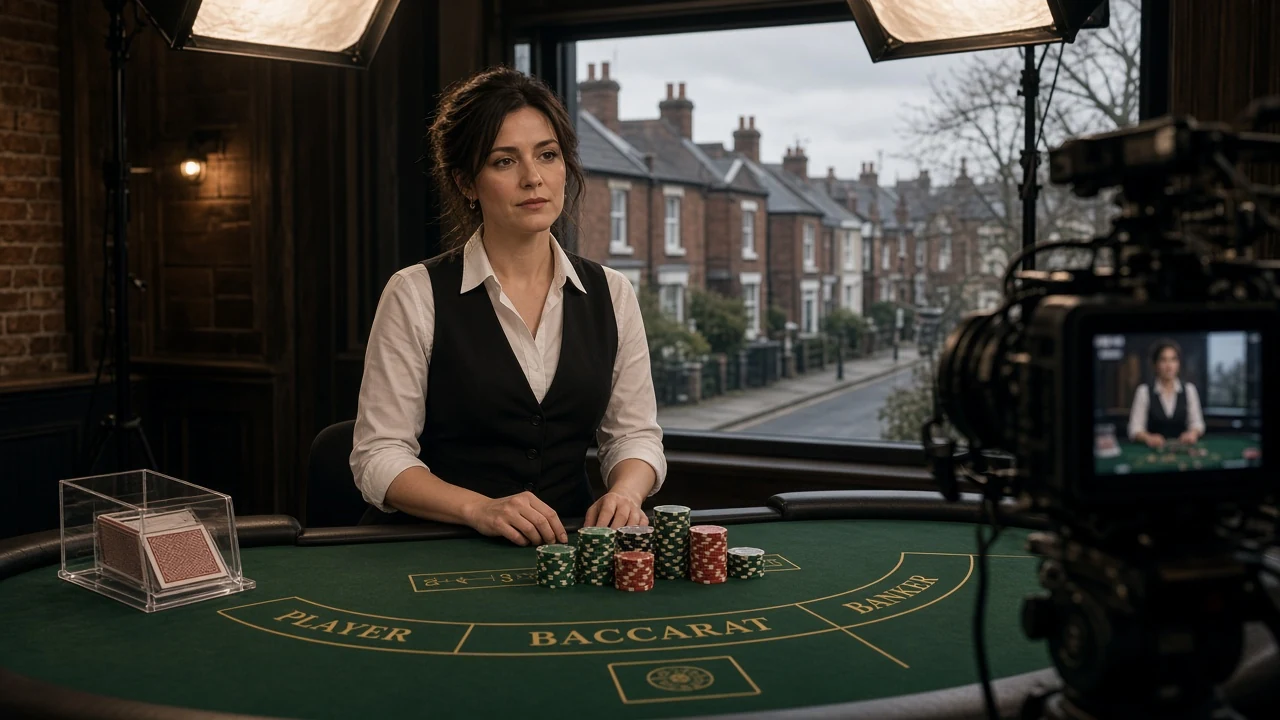
You can pick your spots manually, or use a quick-pick option that selects them at random. Neither approach affects your chances: online keno draws are determined by random number generator technology, which ensures each outcome is random and cannot change depending on a particular scenario or pattern of play. Slot machines and keno draws alike feature this output randomness exclusively — meaning the result cannot bend in response to how you’re betting, how long you’ve been playing, or whether you’ve just won or lost.
This is worth stating plainly, because keno attracts a lot of folklore about "hot" and "cold" numbers. A number that hasn’t appeared in the last draws has exactly the same chance of appearing in the next one. There is no memory in the game.
Draw, Check, Repeat
Once the stake is set and your numbers are chosen, confirm the draw. The game will display the drawn numbers, highlight your matches, and show the payout for that round. Most games then offer a repeat button, and many let you run several draws with the same selection automatically. Use that only when you’re comfortable with the total cost per session.
Where Free Play Fits In
If you want to learn how to play keno online without spending money first, use the game’s free-play or demo mode. This lets you see the paytable in action, watch several draws, and get a sense of the pacing — all without staking anything. Free play doesn’t change the underlying maths, but it does let you confirm you understand the payout structure before your own cash is on the line. The one thing it can’t tell you is how the game feels over a longer real-money session, which is a separate question.
On Payouts
Keno payouts are fixed by the game’s paytable, not negotiated or influenced by anything you do. The paytable rewards more matches out of fewer picks more generously in relative terms — the odds of hitting many spots out of a large selection are long, and the payout reflects that. Read the table, know what your selection is capable of paying, and treat anything beyond that as a bonus rather than an expectation.
RTP
Return to Player is a theoretical percentage that represents the amount a game is expected to return to players over a very long period of play.
Keno Slots: RTP, Free Spins, and the Machine Format
Keno has a habit of borrowing clothes from its neighbours. Alongside the classic draw format, where you pick numbers and wait for the balls, many UK casinos stock keno-themed slots: machine-style games that wrap the same number-picking idea in reels, spin buttons, and slot presentation. The result looks familiar to anyone who has played a fruit machine, but underneath the packaging the question you should be asking is the same one you would ask of any slot: what does the RTP actually tell you?
What RTP means — and what it doesn’t
RTP stands for return to player, and it is a theoretical figure, not a promise. An RTP of 97% theoretically returns £97 for every £100 spent on the slot. That sounds concrete enough, but the number only holds over a very long run of play. Online slot outcomes are produced by random number generators, so RTP examples are theoretical rather than guaranteed returns. In a single session — the kind you will actually have — your result can sit far above or far below the headline figure, and there is no way to predict which.
That randomness is worth internalising before you read anything else on this page. It is also why any "keno strategy" promising to beat the machine deserves suspicion. A strategy for choosing numbers can affect how you structure your play, but it cannot change what the generator produces on the next spin or draw. Anyone selling certainty about random outcomes is selling something that does not exist.
Free play before real stakes
Free keno slots online are the sensible first stop. Most machine-format keno games can be run in demo mode, with no download beyond what the browser already handles and no wagering, which lets you check the game’s pace, controls, and payout table before any money is involved. Free play will not tell you what you will win — the outcomes are just as random in demo mode — but it will tell you whether the interface suits you and how the paytable is structured.

This matters more than it might seem with themed games. Branded slots — titles built on popular culture, including Hollywood movies and famous video games — often have low RTP and fewer extra features than other slots. The theme is doing the marketing work, not the mechanics. The same caution applies to keno-themed machines: check the RTP figure and the paytable before assuming the branding reflects quality.
Free spins and what they change
Free spins turn up regularly in slot-format keno products, either as a bonus round inside the game or as part of a casino promotion. Inside the game, they are simply part of the mechanics — a mode the machine can trigger. As a promotion, they are a different animal, tied to terms you should read before depositing, and that side of things belongs to the bonus discussion elsewhere on this page.
The practical takeaway for the machine format is unglamorous: verify the RTP, play the free version first, treat branded themes with mild scepticism, and remember that every spin is independent of the last. The casino you choose matters, but no operator changes the mathematics of the machine in front of you.
Playing Keno for Real Money in the UK
Demo mode answers one question: how the game works. The moment you stake cash, a different set of rules applies — not to the game itself, but to everything around it.
What actually changes
In a demo, the numbers you pick, the draws you watch, and the results you see behave the same way as in the paid version, because the same random number generator produces the outcomes. What changes is the consequence. A losing round in a demo costs nothing. A losing round with money on the table is your stake, gone, with no mechanism in the game for returning it.
Real Money Risks
Unlike demo modes, real-money play involves actual financial consequences where losing rounds result in the loss of your deposited funds.
Real-money play also requires things a demo never asks for. Before you can deposit, a UK-licensed operator has to verify your identity and age, prompt you to set a deposit limit, and process your payment through methods the regulator permits — which excludes credit cards, including ones routed through an e-wallet. None of that friction exists in demonstration mode, which is precisely why a demo can’t tell you what the full experience of playing at a given casino feels like.
Whether a specific casino offers real-money play at all is worth checking rather than assuming: a keno-adjacent review site, for instance, describes one operator offering cash play where players stake funds in accepted currencies — but that is a claim about one site, not a property of the market.
RTP is a long-run average, not a forecast
The number most often quoted alongside real-money games is the return to player. A game with an RTP of 95% returns £95 for every £100 wagered — but only over a very long period and a very large number of plays, in total. It is a statement about millions of rounds across all players, not a schedule for your session.
This distinction matters more with keno-style games than with many others, because the gap between a typical result and the headline figure is easy to misread. Outcomes are random, so RTP figures are theoretical rather than guaranteed returns. Your first hundred rounds can sit well below that level, well above it, or anywhere in between, and none of those results would contradict the published number.
What real-money play should let you control
Since cash is now involved, the features a licensed UK operator must provide stop being fine print and become practical tools. You should be able to stop playing at any moment and hold on to your remaining deposit and anything you won from it. Deposit limits, time-outs, and self-exclusion through the national scheme are available on request, not as favours.
Playing keno for real money is not a different game — it’s the same game with your own balance attached. Treat the RTP as background information, set the limits before the first stake, and remember that any individual session is governed by chance, not by averages.
Keno Casino Bonuses: Read the Offer Before You Deposit
A keno casino bonus is marketing, not a gift. The operator sets the terms, and those terms decide whether the offer is worth anything to you. Before you deposit, read them with the same attention you would give a contract, because that is what the terms page is.
What to look for in the terms
- Eligible games. Some offers exclude certain game types from counting at all. If keno is excluded, the bonus is irrelevant to you no matter how large the headline amount.
- How the bonus is released. Whether you receive it as a lump sum, in increments tied to your play, or as a refund of losses changes what it is actually worth.
- Withdrawal conditions. What has to happen before bonus-related funds can leave your account. If the terms are vague about this, treat the vagueness as information.
A no-deposit keno offer — credit or free plays granted without you funding the account — deserves extra scrutiny, not less. Operators give these away because they work as marketing, and the terms attached are typically stricter than on deposit-based offers. An offer that costs you nothing to accept can still cost you time.
What UK rules put on your side
Operators providing online gambling to consumers in Britain must be licensed by the UK Gambling Commission, and that licence carries obligations that matter more than any promotion. Operators must disclose their payment processing practices, so the terms you are being asked to read are not optional fine print — they are required disclosure. Licensed sites must also let you set deposit limits, take a break, or self-exclude entirely, and operators must prompt you to set a deposit limit before your first deposit. If a site makes setting that limit feel like an obstacle, that tells you something about how it treats the rest of its obligations.
Final Summary
- Always verify a casino’s UKGC licence via the official public register.
- Use demo modes to understand game mechanics and payout tables without risk.
- Treat RTP as a long-term average rather than a guarantee for a single session.
- Ensure the operator provides essential player controls like deposit limits and self-exclusion.
Operators also differ from one another in their game libraries, deposit options and refund arrangements — a point made in more than one operator review — so the practical value of a bonus depends on the specific casino offering it, not on the category "keno bonus" in the abstract.
Odds, not offers
Keno odds are fixed by the game’s paytable and the draw itself, which is random. No bonus changes the underlying odds; it changes how much of your own money is at risk while you face them. A casino review notes that real-money play means staking cash or other accepted currencies — a useful reminder that whatever the promotion calls it, what leaves your pocket is real money.
Read the offer, then decide. If the terms survive a careful read, the bonus may add something. If they do not, you have lost nothing by walking past it.
Live Keno Online: What the Live Format Changes
Most online keno runs on software: you pick your numbers, press play, and a random number generator decides the draw instantly. Live keno moves that draw in front of a camera. A host or an automated machine produces the balls or numbers in real time, and you watch it happen rather than clicking through an animation.
The surface experience changes more than the underlying one. Whether the draw is generated by software or performed on a live set, the outcome is random either way — RNG technology exists precisely to ensure randomness, and the result of a draw cannot change depending on the scenario around it. A live presentation makes the game easier to trust for some players and more atmospheric, but it does not make the numbers more predictable or the odds softer.
Before treating a live table as a fundamentally different product, check a few things.
Draw schedule. Live games often run to a timetable rather than on demand. If you are used to instant rounds, find out how often draws take place and whether you can join mid-session.
Stake range. A live format sometimes comes with different minimum and maximum stakes than the standard version of the same game. Confirm the limits before you sit down.
Payout table. The paytable should be visible on screen. Compare it with the software version of keno at the same site — a live presentation is not automatically a better-paying one.

Rules overlay. Look for the published game rules and RTP information. A camera adds transparency in one sense, but the numbers that matter are still in the documentation.
One thing a live format genuinely does not change: pacing discipline. Draws may feel slower and more deliberate, which can either stretch your budget further or invite you to play longer than you planned. Watch the clock, not just the host.
Keno Slot Machines and Their Payout Structure
When keno is packaged as a slot machine, the payout structure falls into two broad categories: fixed-top prizes and progressive jackpots. The difference matters more than the cabinet art.
Flat-top machines pay a fixed maximum prize. Hit the top combination and you receive the stated amount, the same on every spin or draw, and the machine’s overall payout design doesn’t change just because the game has been running for hours. For a player comparing keno slot machine payouts, this predictability is the main appeal: the ceiling is known before you stake anything.
Progressive jackpot slots work differently. Instead of a fixed maximum, a small portion of the money staked by players feeds the jackpot, so the prize continues to grow until someone wins it. Progressive jackpot prizes can reach thousands of pounds, according to the operator review material on this subject, because there is no ceiling — only a trigger waiting to fire.
That trigger is the part worth understanding. Progressive jackpots are triggered at random, and popularscience.co.uk reports they may be triggered as rarely as once a month even after the prize has grown large. The size of the jackpot and the likelihood of winning it move in opposite directions: a bigger prize is a sign that fewer people are winning, not that a win is closer.
The reason is mechanical. Slot machines — including keno slot machine online formats — use random number generator technology, and the output is exclusively random: it cannot change depending on a particular scenario. The machine does not track how much has been fed into the jackpot pool or become "due" after a long drought. Each spin is independent of the last, which is why progressive jackpots can grow so large without becoming any easier to win.
The practical consequence for payouts: treat a growing jackpot as entertainment value, not as an improving bet. The fixed-top structure tells you exactly what the best result is; the progressive structure tells you what it might become — and how unlikely you are to see it.
Can I win real money playing progressive slots?
Yes, you can win real money, and progressive jackpots can reach thousands of pounds. However, the chance of winning the jackpot is extremely low, and prizes are triggered randomly.
Can I win jackpots from free spins?
No answer included because the provided information does not explain whether free spins can produce jackpot wins.
Do I need to deposit to use these spins?
No answer included because the provided information does not state whether a deposit is required to use free spins.
What is the difference between classic and video slots?
No answer included because the provided information does not explain the difference between classic and video slots.
Which type of slot has the highest RTP?
No answer included because the provided information does not identify which slot type has the highest RTP.
Can I use a credit card at a UK casino?
No. UK operators must not accept gambling payments by credit card, including credit-funded payments made through e-wallets or money service businesses.
Is PayPal accepted at UK gambling sites?
Yes, PayPal is among the e-wallet methods available at some UK-facing gambling sites. You should check the individual operator’s listed payment methods and withdrawal terms.
Prepared by the Casinouk Game Info editorial staff.